A brand-new fencing is meant to do one job well: take on weather, time, and the daily stuff life throws at it. But "supposed to" is where difficulty begins. When a gate drags, blog posts loosen up, panels bow, or a layer starts peeling after a mild wintertime, the majority of property owners do not suggest concerning looks. They say concerning obligation. That pays, who fixes, and how fast?
That's where setup warranties and service plans issue. They are not the exact same point, and the phrasing can be the difference between a smooth repair and months of "it depends" conversations with your fencing contractor, fencing company, or fencing company.
Below is exactly how to review these promises like a working specialist, the inquiries that prevent shocks, and the trade-offs you actually really feel once the fencing is installed.
Guarantees versus solution plans, and why house owners mix them up
People typically use "warranty" and "guarantee" like they're compatible, yet the guarantees usually are available in two layers:
First, you might see an https://www.youtube.com/@StandTallFencing installment guarantee linked to workmanship. That is about whether the fencing was installed correctly: correct blog post depth, right spacing, suitable attachment, straight placement, right hardware, and information like concrete mix consistency or base prep.
Second, you might see a service plan that covers ongoing issues for a time period, occasionally extending beyond craftsmanship. Depending upon the supplier, a service strategy might include routine examinations, sped up repair work, priority scheduling, or insurance coverage for details components like gates, hinges, or pick elements of the system.
Here's the functional problem. A workmanship assurance can be charitable yet still slim. It may state the professional will certainly repair issues triggered by setup errors, however it may not cover damages from automobile impacts, landscape design modifications, tornado events, or corrosion that originates from a mismatch between seaside problems and the selected coating.
A solution plan, at the same time, might cover service phone call fees or labor, but still require that materials are within the plan's eligibility rules. Often the strategy covers "labor only," and the property owner supplies the replacement material. Various other times it covers both, however just for failures that happen under typical use.
If you want the quickest, most straightforward takeaway, it's this: installation guarantees and service strategies are just as strong as their exclusions, problems, and timelines.
What guarantees generally cover, in ordinary English
Most trustworthy fencing contractors focus their setup assurances on the parts that are hardest for homeowners to confirm after the reality. You can not conveniently verify that the post was evaluated the right depth or that the concrete was consolidated appropriately, unless you were there when it occurred. So warranties often cover those invisible choices.
Common craftsmanship topics that have a tendency to appear in assurances consist of:
- Post installment and positioning, including just how the fencing lines were set and whether articles were appropriately secured Hardware add-on quality, such as whether bolts were correct for the substratum and not overdriven or underdriven Gate setup and modification, consisting of locking positioning and joint lots handling Fence progressing and panel spacing based upon the system's design requirements Remediation of defects discovered during the insurance coverage window
One home owner story sticks to me. A household installed a vinyl fence right prior to wintertime. Throughout spring cleanup, one corner panel looked "soft," not broken, just sagging. They called the fencing company, and the response was fast because the concern was tied to inappropriate framework and incorrect attachment points, not an arbitrary failure of the vinyl itself. The specialist changed the damaged sections and fixed the foundation. They didn't treat it like a fight, due to the fact that the guarantee was mounted around workmanship.
That's the best-case situation. The concern certifies, the timeline is clear, and you get a genuine fix.
The worst-case situation looks various. The fencing stops working, you call, and the plan leans on the house owner's obligations: preserving the coating, not cutting too close, keeping lawn sprinklers from blowing up the lower rails, or alerting the contractor within a defined duration. If the assurance has strict notification rules, waiting months can make complex coverage.
The fine print that in fact decides whether you get help
Guarantees are commonly written to safeguard the carrier from unreasonable assumptions, which's sensible. Still, the information can be harsh if you do not review them before signing.
When you review the paper, pay attention to four categories.
1) Protection home window and the timing of claims
A typical pattern is insurance coverage for craftsmanship for a stated number of years from setup. Some firms additionally established due dates for just how soon you have to report a problem after you see it, also if you're still within the overall time period.
If you see a problem but keep placing it off, you can end up outside the "reported within X days of discovery" need. That's when service providers start requesting for proof of when the damages began.
2) Exclusions connected to atmosphere and misuse
A fencing lives in an actual environment: snow load, wind gusts, irrigation overspray, animals damaging the bottom rail, salt air, plant food drainage, and landscaping adjustments. Assurances can omit damage triggered by:
- Impacts from automobiles, lawn devices, or dropping branches Acts of weather condition beyond normal conditions Changes to quality, water drainage, or landscape design by third parties Rust, rot, or deterioration arising from bad surface preparation before installation Coating or coating failing triggered by inappropriate cleansing approaches or rough products
The nuance is that some exemptions are outright, while others are conditional. For example, a business could omit "rust from coastal settings" however still cover premature failure if they installed the correct grade of product and coating system for those conditions.
3) What counts as "fixing" versus "replacement"
This is where property owners obtain annoyed. Lots of assurances guarantee to "fix or replace" defective parts, yet the choice can be optional. Some business fix the tiniest afflicted section if they can demonstrate the failing is local. Others change complete runs if the system's honesty relies on multiple components.
Ask exactly how the business manages these instances. If you have multiple panels failing after the exact same initial installation error, you desire the service provider to treat it as a system failure instead of bit-by-bit solutions that keep cropping up.
4) Documents requirements
If the strategy requires pictures, measurements, evidence of upkeep, or an assessment by the professional before parts are replaced, you must understand that in advance. Some companies will request documents of treatment products utilized on the fence, especially for timber and metal finishes.
You don't need to be paranoid, but you do require to be arranged. The fence will mature whether you await it or otherwise, and the paperwork issues when you're making a claim.
How solution strategies function when you actually require them
A solution plan can be a lifesaver when you want predictable organizing, much faster response times, or lowered rubbing during repair work. But solution strategies are not magic. They still depend upon eligibility, approved service periods, and whether the damages fits the strategy's definitions.
In method, service strategies frequently supply several of these benefits:
- Priority scheduling during top seasons Reduced labor rates for protected repairs Coverage for minor adjustments, like joint adjustment or latch tuning Repair handling that consists of visit prices, depending on the plan A procedure for evaluations and maintenance recommendations
If you live where winter seasons are long, gates typically end up being the first issue. A gateway can rack from freeze-thaw activity, uneven ground settling, or hardware that is not suited to local problems. A service strategy that includes discounted labor or top priority organizing can transform a multi-week wait right into a solution before the gate begins destructive nearby fence sections.
One useful information: service plans occasionally call for that the home owner allows gain access to for inspection and maintenance. If the yard is constantly loaded with devices, or gates are obstructed during repairs, your strategy may cover the expense but not the scheduling flexibility. I have actually seen "covered" repairs extend due to the fact that the property owner's access constraints weren't managed quickly.
Choosing the ideal secure fencing system, not simply the right paperwork
A warranty is just as important as the system it safeguards. The biggest mistake property owners make is thinking all fences fail the very same way.
A steel fencing can rust at link points if finishings are cut during installation and not fixed. A timber fencing can create rot if posts sit in poor drain conditions or if water is caught at the wrong height. Compound or plastic can warp with extreme heat exposure or if framing is not crafted for wind loads.
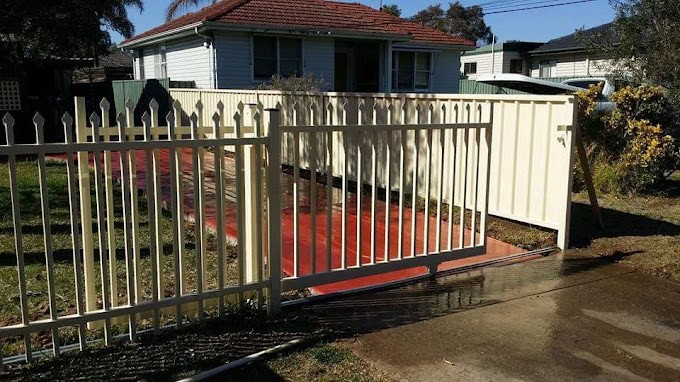
That's why installation standards matter equally as long as promises.
When a fencing contractor suggests a system, ask how they match material and coverings to your site problems. If they dismiss your environment problems, checked out that as an indication. If they discuss, with specifics, you're more probable to wind up with a guarantee that really puts on your fence.
If you're picking between a plastic fencing, wood fencing, decorative steel fencing, or a much more customized system, the "best" option is the one that fits your backyard and your tolerance for maintenance, not the one that looks finest in the sales photo.
Questions to ask your fencing contractor before you sign
If you wish to stay clear of drama later, ask inquiries that compel quality. You do not need to question any person, but you must make sure you are buying certainty, not ambiguity.
Here are the inquiries I recommend you raise in ordinary language:
- How would certainly you define a "covered" installment defect? What are the specific exclusions? I'm not requesting for a recap, I'm asking for instances that match actual backyard problems. Is insurance coverage limited to fences built by your staff, or can repair services be done on fencings installed by others under the very same policy? What is the maximum time from insurance claim to arranged browse through, and what takes place if parts require to be ordered? Does the assurance cover labor, materials, or both?
For house owners collaborating with a fence company, this is also where you can ask just how claims are documented. Do they require pictures of damages? top fencing contractor Do they gauge post deepness or assess placement? Do they check for indicators of effect damage?
A great fencing company will address without getting defensive, due to the fact that solid plans are simpler to defend when they are specific.
Reading the warranty language like you mean it
Warranty papers frequently look like legal writing, however the practical components are usually findable. Focus on these motifs instead of trying to memorize legal terminology.
First, find the protection scope. The document may cover "flaws in craftsmanship" but not "problems in materials." That means the specialist may fix installment mistakes but direct you to the supplier for material failures.
Second, find the procedure area. It normally discusses exactly how to file a claim, what info is needed, who can authorize fixings, and what you need to do while the case is pending.
Third, seek the limit conditions. Some guarantees become void if you customize the fencing, get rid of parts, discolor or repaint outdoors approved items, or include attachments like personal privacy screens or trellis frameworks that transform wind loads.
Fourth, inspect the term. Some installment warranties cover a brief window like one or two years. Service intends often extend longer, but they might need yearly inspections.
If you see "gap if," "not covered if," or "calls for" provisions, treat them as guidelines. The goal is not to prevent the policy. The objective is to stay clear of bad moves that make you ineligible.
A property owner checklist that prevents typical mistakes
If you do nothing else, get these information in composing and keep them organized. This is the closest point to insurance for the paperwork side of your fence.
- Confirm the precise begin day of coverage, generally connected to installment completion, not the day you paid the down payment Ask what evidence is needed for a case, and store pictures of the installation day and any kind of grading or drain information Verify what upkeep is required, including cleansing methods, staining periods, and any kind of accepted products Clarify whether fixings include labor only or both labor and products for covered problems Record entrance equipment setups or take standard images, since gateway concerns are commonly steady and simple to challenge
That checklist maintains you from relying upon memory when a trouble appears mid-season.
What disputes resemble, and how to avoid them
Most cases are simple. The fencing has a defect, the carrier fixes it. Conflicts tend to happen when the cause is uncertain, the timeline is vague, or the damage is connected to third-party events.
Common dispute activates consist of:
If the fencing was mounted near a recently graded location and the property owner later altered the water drainage, the specialist might argue the issue originated after installment. If a storm damaged an area however the home owner observed earlier aesthetic issues, the carrier may divide "typical aging" from "tornado failing."
If the fencing has indicators of influence, such as damages, broken boards, or curved areas, the specialist may call for evidence that the damages is not from misuse. In many cases, the professional's policy treats effect damages as non-covered, even if the fencing was only struck once.
You reduce conflicts by doing 2 points. Initially, record the concern swiftly. Take images from multiple angles, include dimensions when feasible, and note the approximate time you initially saw the trouble. Second, prevent "DIY solutions" that change proof. If you clamp, splice, or replace parts on your own, you might deteriorate the case by making it hard to confirm the initial installation.
If you ever before require a pointer, believe like a warranty adjuster. They are not attempting to be hard, but they must determine whether the fencing stopped working in a way the plan covers.
Concrete instances of just how protection can differ
Let's make it actual with a few situations I have actually learnt through home owners and seen in the field.
Scenario A: a gate that all of a sudden won't shut cleanly
If the lock misaligns after a freeze-thaw season, the service provider might treat it as a modification concern and cover labor under the solution strategy. Yet if eviction joints were strained since the property owner mounted a heavy device, coverage may be limited.
The choosing element is usually whether the failure lines up with regular use and whether the hardware and gateway building and construction were suitable for the anticipated load.
Scenario B: a fencing layer that starts peeling off in patches
If the finish begins to peel off near cut edges or at links, the contractor might argue it belongs to how the product was prepared and set up. That points back to workmanship. If the peeling is spread out equally and accelerates after chemical cleaning, the plan may exclude it.
This is why "exactly how it was set up" and "what was used to cleanse it" can both matter.
Scenario C: posts that loosen after grading changes
If the backyard quality adjustments around the blog posts, water can move direction and weaken the base. A contractor's setup guarantee may not cover message activity triggered by later landscaping. If the contractor mounted the articles correctly yet water drainage was changed by someone else, your claim may not be accepted even if the timing feels unfair.
The finest move in that circumstance is to ask for an inspection. Occasionally the concern is not the rating modification, but the initial base preparation. The evaluation tells you what you're in fact dealing with.
Trade-offs you need to approve before the fence goes in
A strong reality, from years of viewing jobs go sidewards: you can not get excellence, however you can buy the right balance.
If you desire the longest protection term, you could pay a little bit extra for exceptional products, better finishes, or boosted setup information. If you want the most affordable ahead of time expense, the company might provide a shorter workmanship warranty or a narrower service plan.
That does not immediately indicate you must avoid the less expensive choice. It means you need to choose intentionally. Ask how the protection shifts with rate. A fence company that deals with insurance coverage as a marketing add-on, instead of a representation of installment high quality and material option, is a risk.
Also think about upkeep assumptions. A strategy that covers "limited repair services" might still require you to do yearly evaluations or straightforward cleansing jobs. If you know you will certainly skip that, you're enrolling in a strategy that relies on your participation.
How to talk about coverage without sounding adversarial
A lot of property owners hesitate to ask tough guarantee questions because they fret it will sour the relationship. In my experience, the reverse holds true. Straight concerns reveal you are informed and that you expect professionalism.
You can maintain the tone positive. As an example, you could state:
"I'm not trying to argue. I simply intend to comprehend what activates protection so I can keep up my end."
Good fencing contractors appreciate that since it minimizes misunderstandings later on. It also makes it simpler for the company to align assumptions prior to the initial screw is driven.
If you work with a fencing contractor or fencing company that offers several systems, you can also ask them to describe the likely failing points for your particular fencing type. When they can talk about practical dangers without fear-mongering, you are probably taking care of a group that understands what they are guaranteeing.
Final reality check: the very best assurance is the one that matches your site
A fencing installed on a secure, well-drained whole lot will age in a different way than one set up where water swimming pools or where the dirt shifts in freeze-thaw cycles. Wind lots and snow drift direct exposure adjustment equipment anxiety. Salt air speeds up deterioration danger for metal components.
So the toughest guarantee is the one backed by setup methods that suit your atmosphere, not a common assurance pasted onto every job.
When you're contrasting a fencing contractor or fence company, look past the heading size of the warranty. Review the coverage range, the exclusions, the claim procedure, and what maintenance is needed. Then straighten the fence system with those conditions.
If you do that job upfront, you are even more most likely to end up with the result you want: a fencing that holds its line, a gateway that overcomes periods, and a fixing procedure that feels like service, not a negotiation.